Wollmatten: A Sustainable and Versatile Solution for Modern Living
In today’s world, where sustainability and comfort go hand in hand, wollmatten have emerged as a practical and eco-friendly choice across multiple industries. Made from natural sheep’s wool, these mats are valued for their insulation, durability, and environmental benefits. Whether used in construction, interior design, gardening, or soundproofing, wollmatten offer a balance of performance and sustainability that synthetic alternatives often lack.
This article explores what makes wollmatten unique, how they are used, and why their popularity continues to grow in modern applications.
What Are Wollmatten?
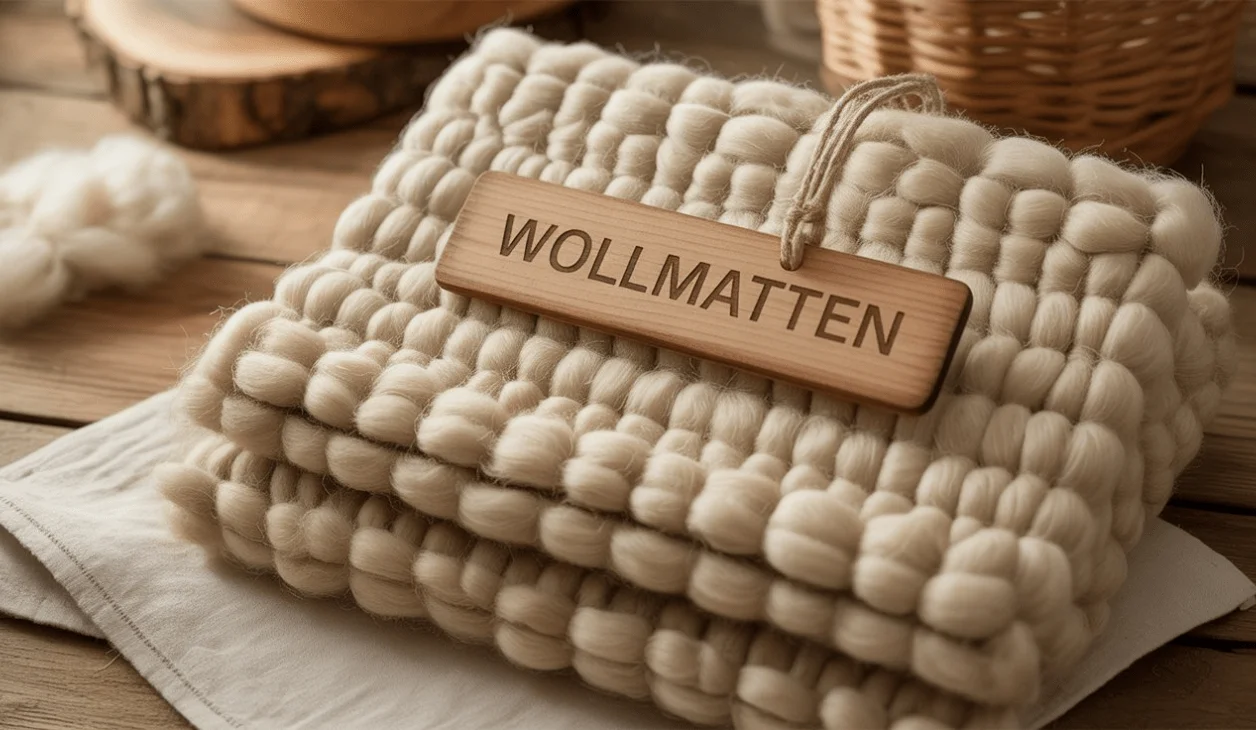
Wollmatten are mats produced from compressed or felted natural wool fibers. Unlike artificial insulation materials, wool retains its organic structure, allowing it to regulate temperature and moisture naturally. As a result, these mats are breathable, resilient, and long-lasting.
Traditionally, wool has been used for warmth and protection. However, modern manufacturing techniques have expanded the functionality of wollmatten, making them suitable for technical and industrial purposes as well.
Environmental Benefits of Wollmatten
One of the main reasons wollmatten are gaining attention is their sustainability. Wool is a renewable resource, as sheep produce new fleece every year. Additionally, wool is biodegradable, meaning it does not contribute to long-term environmental waste.
Moreover, wool fibers require less energy to process compared to synthetic materials. Because of this, wollmatten have a lower carbon footprint. They also help improve indoor air quality by absorbing pollutants and regulating humidity. Therefore, for environmentally conscious consumers and businesses, wollmatten are a responsible choice.
Thermal and Acoustic Insulation Properties
Another significant advantage of wollmatten is their excellent insulation performance. Wool fibers trap air within their structure, which helps maintain stable indoor temperatures. During winter, they reduce heat loss, while in summer, they limit heat gain. Consequently, they contribute to energy efficiency and reduced heating or cooling costs.
In addition to thermal insulation, wollmatten provide effective sound absorption. This makes them ideal for homes, offices, studios, and public buildings where noise reduction is important. Compared to foam-based materials, wool insulation performs well without releasing harmful chemicals.
Applications in Construction and Interior Design
In the construction sector, wollmatten are commonly used as wall, roof, and floor insulation. Builders appreciate their flexibility, ease of installation, and safety. Since wool is naturally fire-resistant and does not emit toxic fumes, it enhances building safety.
Meanwhile, interior designers use wollmatten under flooring or behind wall panels to improve comfort and acoustics. In minimalist and eco-friendly designs, wool mats align perfectly with natural aesthetics. As a result, they are increasingly used in sustainable architecture projects.
Wollmatten in Gardening and Landscaping
Beyond buildings, wollmatten are widely used in gardening and agriculture. Wool mats act as natural weed barriers, preventing unwanted plant growth without chemicals. At the same time, they help retain soil moisture, which supports healthy plant development.
Additionally, as the wool slowly decomposes, it releases nutrients into the soil. This makes wollmatten especially beneficial for organic farming and home gardening. Compared to plastic weed mats, they are safer for the environment and improve soil quality over time.
Durability and Moisture Regulation
Unlike many natural materials, wool performs exceptionally well in moist conditions. Wollmatten can absorb up to 30% of their weight in moisture without feeling wet. More importantly, they release moisture gradually, preventing mold and mildew buildup.
This moisture-regulating property ensures durability even in challenging environments. Therefore, wollmatten are suitable for basements, bathrooms, and outdoor applications when properly protected. Their resilience makes them a long-term investment rather than a short-term solution.
Health and Safety Advantages
Health-conscious consumers often prefer wollmatten because they are free from harmful chemicals. Unlike synthetic insulation, wool does not contain formaldehyde or volatile organic compounds. As a result, it is safe for people with allergies or respiratory sensitivities.
Furthermore, wool naturally resists pests and bacteria due to the presence of lanolin. This adds another layer of protection without chemical treatments. Consequently, wollmatten support healthier indoor environments.
Cost Considerations and Long-Term Value
At first glance, wollmatten may appear more expensive than synthetic alternatives. However, their long lifespan and energy-saving properties often offset the initial cost. Over time, reduced maintenance, improved comfort, and lower energy bills contribute to overall savings.
In addition, as sustainability becomes a priority worldwide, materials like Wool mats are likely to gain even more value. Investing in natural solutions today can align with future environmental standards and consumer expectations.
Why Wollmatten Are the Future
As industries move toward greener practices, Wool mats represent a smart combination of tradition and innovation. They utilize an age-old material while meeting modern performance requirements. From insulation and soundproofing to gardening and design, their versatility is unmatched.
In conclusion, Wool mats are more than just wool mats they are a sustainable, healthy, and efficient solution for modern living. With their natural benefits and wide range of applications, they continue to stand out as a reliable alternative to synthetic materials. For anyone seeking comfort, durability, and environmental responsibility, Wool mats are undoubtedly worth considering.