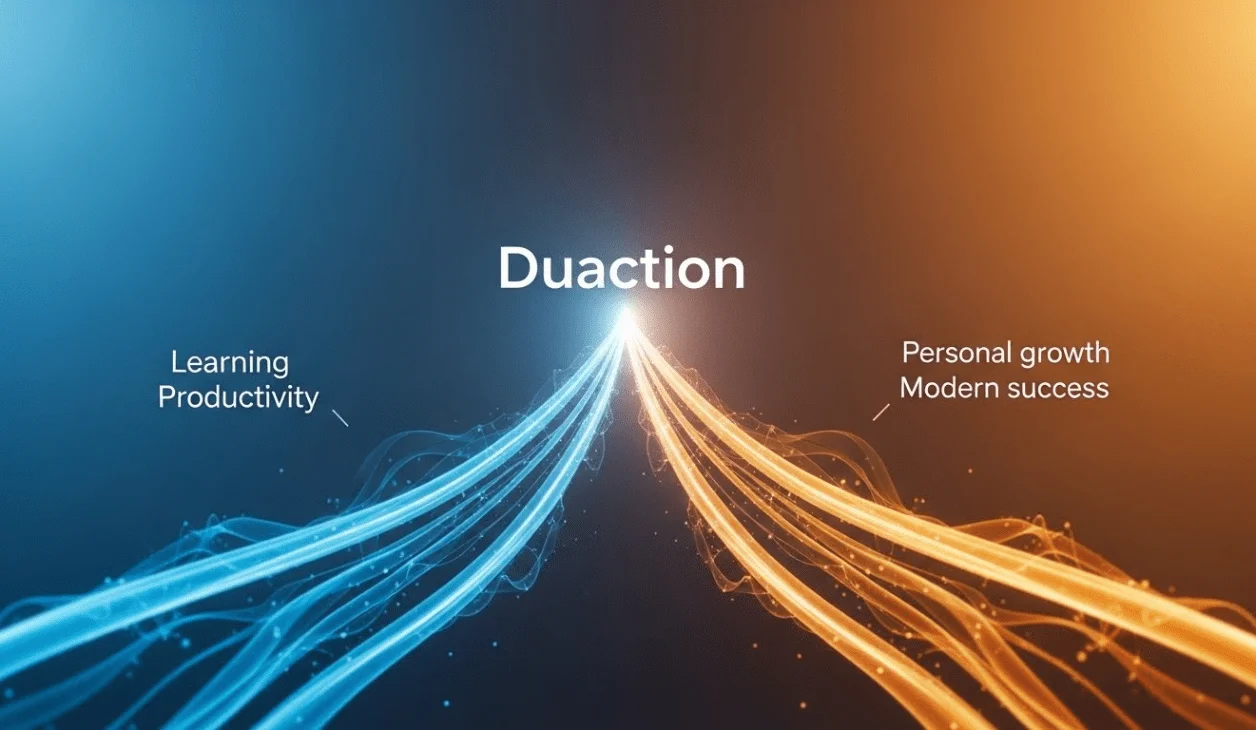
Duaction: Revolutionizing Modern Learning and Productivity
In today’s fast-paced world, efficiency and adaptability are more crucial than ever. One concept gaining attention in education and professional development is duaction. While still emerging in mainstream discourse, duaction represents a transformative approach that blends traditional methods with innovative techniques to enhance learning, productivity, and personal growth. This article explores duaction in depth, highlighting its benefits, practical applications, and potential impact on both individuals and organizations.
Understanding Duaction
Duaction, at its core, is the integration of dual-action strategies in learning and performance. Unlike conventional methods that often focus on a single approach, duaction emphasizes a combination of active and reflective processes. This duality allows learners or professionals to not only acquire information but also internalize it effectively, fostering deeper understanding and long-term retention.
For instance, in educational settings, duaction might involve alternating between theoretical lessons and hands-on practice. In the workplace, it could mean pairing strategic planning with real-time problem-solving exercises. By bridging action with reflection, duaction ensures that knowledge is not just absorbed but applied meaningfully.
The Benefits of Duaction
The rise of duaction is driven largely by its remarkable benefits across various domains.
- Enhanced Retention and Understanding
By engaging both the mind and actions simultaneously, duaction promotes better retention. Studies suggest that when learners actively apply concepts after theoretical exposure, they are more likely to remember and utilize the information effectively. - Improved Productivity
Duaction is not limited to learning; it also plays a vital role in professional productivity. Integrating dual-action strategies in daily workflows encourages proactive engagement, reduces errors, and fosters innovative thinking. This holistic approach enables individuals to accomplish tasks efficiently while enhancing problem-solving skills. - Adaptability to Change
In an era of constant technological and societal shifts, adaptability is essential. Duaction equips individuals with flexible thinking and the ability to adjust strategies based on practical experiences. This adaptability is particularly valuable in rapidly evolving industries where traditional methods may no longer suffice. - Balanced Skill Development
Unlike singular approaches that often favor one type of skill, duaction nurtures a balanced growth of cognitive, emotional, and practical skills. By addressing multiple dimensions simultaneously, individuals can develop a more rounded expertise that is applicable in diverse scenarios.
Practical Applications of Duaction
The versatility of dual approach makes it relevant across various fields, from education to corporate environments.
- In Education: Teachers can implement duaction by combining classroom instruction with interactive projects, simulations, or digital learning tools. This approach not only enhances comprehension but also keeps students engaged and motivated.
- In Corporate Training: Organizations can adopt dual approach by pairing theoretical workshops with real-world assignments or collaborative problem-solving sessions. Employees can thus gain practical experience while reinforcing conceptual knowledge.
- In Personal Development: On an individual level, duaction can be applied by integrating self-study with actionable practice. For example, learning a new language through both structured lessons and real-life conversations embodies the essence of dual approach.
Duaction in the Digital Era
With the rise of digital tools and platforms, dual approach has become more accessible and effective. E-learning platforms, virtual simulations, and collaborative apps allow users to implement dual-action strategies seamlessly. Technology not only facilitates the learning process but also provides immediate feedback, enabling continuous improvement.
Moreover, digital analytics can track progress and identify areas for improvement, aligning perfectly with the reflective component of duaction. By combining innovation with practical application, the digital era has amplified the potential of dual approach for learners and professionals alike.
Challenges and Considerations
Despite its advantages, dual approach comes with certain challenges. Implementing a dual-action approach requires careful planning and resources, which may not always be readily available. Additionally, balancing the active and reflective components effectively can be challenging, particularly for beginners or organizations new to this concept.
However, these challenges can be mitigated through structured frameworks, clear objectives, and ongoing assessment. By gradually integrating duaction into routines, both individuals and organizations can maximize its benefits while minimizing potential obstacles.
The Future of Duaction
As the world continues to evolve, the importance of adaptable, effective learning and working methods cannot be overstated. dual approach, with its dual-action approach, is poised to become a central strategy for enhancing productivity, learning outcomes, and personal growth. Its potential to foster innovation, balance skills, and promote adaptability makes it a valuable tool for the 21st century.
In conclusion, dual approach is more than just a method—it is a mindset that combines action with reflection, theory with practice, and knowledge with application. By embracing duaction, individuals and organizations can unlock their full potential, stay ahead in competitive environments, and cultivate a culture of continuous improvement.
Whether in schools, offices, or personal endeavors, duaction is redefining the way we learn, work, and grow. Its holistic, flexible, and practical approach makes it a strategy worth exploring for anyone committed to achieving lasting success.