Tumbons in Thailand: Tradition, Community, and Rural Life
When travelers think of Thailand, bustling cities like Bangkok or iconic beaches often come to mind. However, to truly experience the heart of Thai culture, one must explore tumbons. These small administrative subdivisions offer a unique window into local life, traditions, and community structures that are often overlooked by mainstream tourism.
What Are Tumbons?
A tumbon is a sub-district in Thailand, falling under a larger district known as an amphoe. Each tumbon typically consists of several villages, called muban, which form the grassroots of Thai rural society. While cities are organized around municipal structures, tumbons preserve a more intimate, village-like atmosphere that emphasizes community, cooperation, and local customs.
Unlike urban areas, tumbons are governed by local administrative organizations (Tambon Administrative Organizations or TAOs) that manage essential services, development projects, and community welfare programs. This decentralized governance allows residents to have a direct impact on decision-making, making tumbons a fascinating study in grassroots democracy.
The Cultural Significance of Tumbons
One of the most compelling aspects of tumbons is their cultural richness. Traditional Thai festivals, religious ceremonies, and agricultural practices are often preserved at the tumbon level. Visitors can witness colorful festivals like Loy Krathong or Songkran celebrated with a distinctly local flavor.
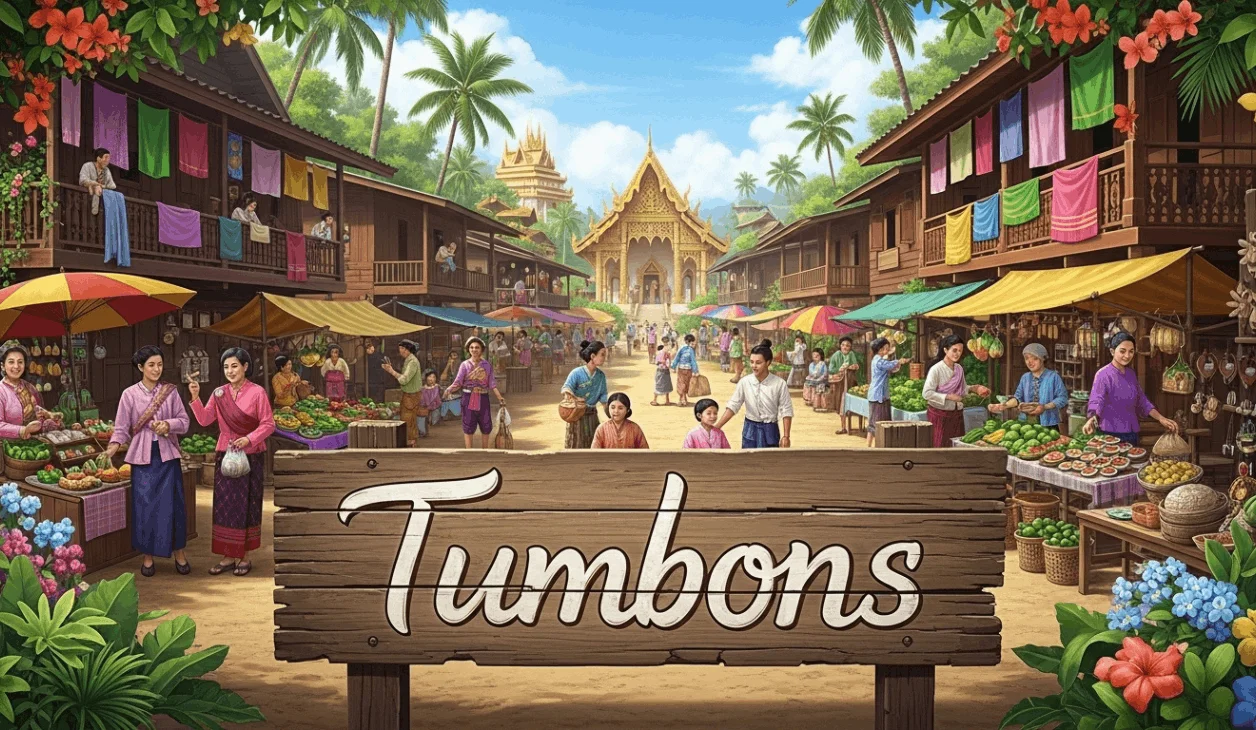
Moreover, the architecture in many tumbons reflects historical influences. Wooden stilt houses, small temples, and local markets showcase centuries-old traditions. In fact, some tumbons are renowned for particular crafts or culinary specialties, allowing visitors to immerse themselves in authentic Thai culture.
Economic Life in Tumbons
Economically, tumbons are often reliant on agriculture, handicrafts, and small-scale trade. Rice farming, fruit orchards, and fishing dominate many rural economies, while some tumbons have specialized in silk weaving, pottery, or local herbal products.
Interestingly, tumbons have been adapting to modern economic trends as well. Eco-tourism, homestays, and organic farming initiatives have opened new avenues for sustainable income. By visiting a tumbon, travelers not only enjoy an authentic experience but also contribute directly to the local economy, promoting sustainable tourism practices.
Community and Governance
Governance in a tumbon is uniquely participatory. The Tambon Administrative Organization (TAO) is responsible for development planning, public health initiatives, and infrastructure projects. Residents often attend meetings and voice opinions on local issues, fostering a strong sense of communal responsibility.
This structure contrasts sharply with large urban municipalities, where individual citizens may feel disconnected from decision-making. In tumbons, the close-knit nature of communities ensures that development projects reflect local needs and priorities, from road maintenance to water supply improvements.
Education and Social Services
Education in a tumbon typically revolves around small primary and secondary schools, often supplemented by community learning centers. These institutions serve as hubs for both education and social activities, strengthening community bonds.
Healthcare is also localized. Small clinics provide basic medical services, while more complex care may require traveling to larger towns or cities. Nevertheless, the local focus ensures that essential services are tailored to the community’s specific needs.
Tourism in Tumbons
For tourists, exploring a tumbon offers a refreshing alternative to Thailand’s busy urban centers. Rural homestays, guided village tours, and cultural workshops allow visitors to interact meaningfully with locals. Travelers can learn traditional cooking techniques, participate in rice planting, or observe craft-making processes.
Furthermore, tumbons often feature natural attractions such as rivers, waterfalls, and hiking trails. These areas remain relatively untouched, providing serene escapes from crowded tourist hotspots. By choosing to explore tumbons, travelers gain authentic insights while supporting communities that are often overlooked by mainstream tourism.
Challenges and Opportunities
Despite their charm, tumbons face modern challenges. Urban migration has led to population decline in some areas, while limited infrastructure can restrict economic development. However, opportunities exist to balance tradition and modernization.
Government initiatives and NGO programs are increasingly focusing on promoting sustainable agriculture, local entrepreneurship, and eco-tourism. With proper planning, tumbons can preserve their cultural heritage while improving living standards and creating new economic opportunities.
Conclusion
Tumbons represent the essence of Thailand’s rural life, offering a unique blend of culture, community, and tradition. From their rich festivals to agricultural livelihoods, these sub-districts highlight a way of life that is increasingly rare in a rapidly urbanizing world.
For travelers and researchers alike, tumbons provide more than just picturesque landscapes—they are living examples of community-driven governance, cultural preservation, and sustainable living. Visiting a tumbon is not only a journey into Thailand’s local heart but also a chance to engage with traditions that have endured for generations.
Whether you are drawn to the cultural heritage, natural beauty, or community dynamics, tumbons offer a distinctive experience that goes beyond the typical tourist itinerary. By exploring these small yet vibrant communities, you connect with the soul of Thailand, gaining memories and insights that are both meaningful and lasting.