Pappedeckel: The Unsung Hero of Packaging and Sustainability
In today’s fast-paced world, packaging plays a crucial role in not only protecting products but also in shaping consumer perception. Among the numerous packaging materials available, pappedeckel has quietly emerged as a versatile and eco-friendly option. Its unique combination of strength, sustainability, and practicality makes it a go-to choice for industries ranging from food services to manufacturing.
What is Pappedeckel?
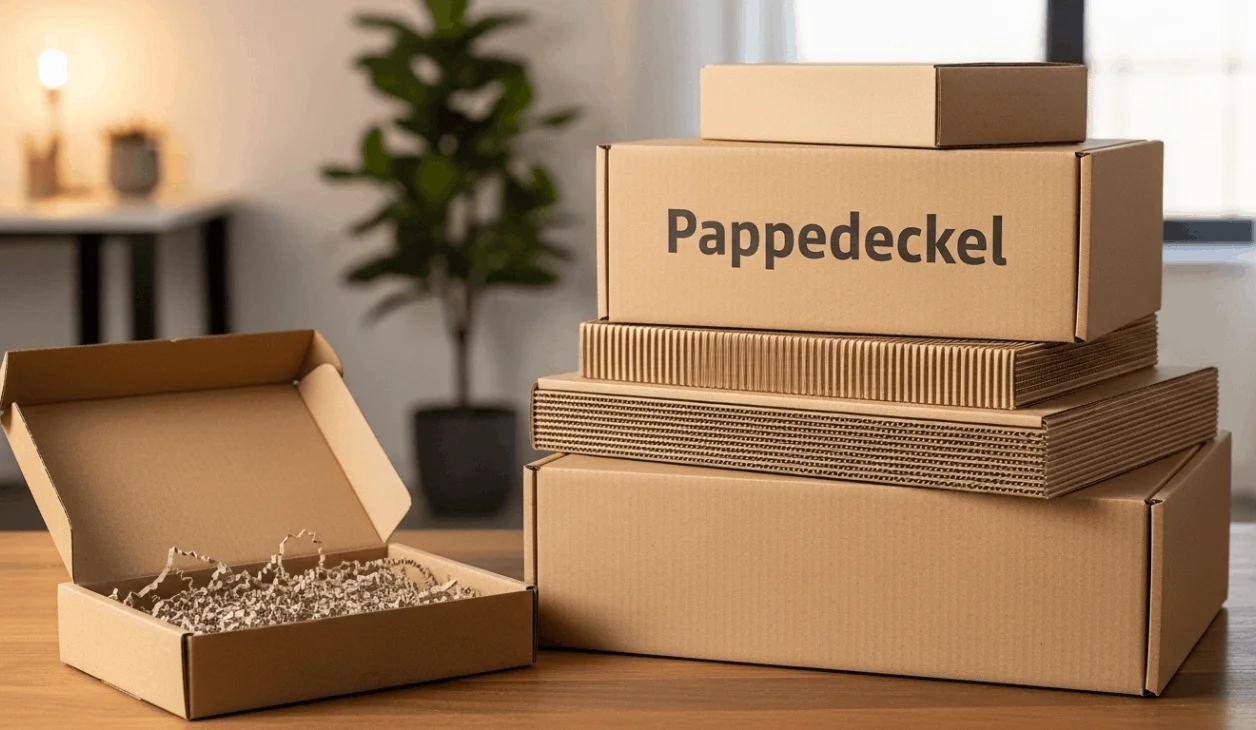
At its core, a pappedeckel is a cardboard or paperboard lid designed to cover containers securely. Unlike plastic alternatives, it is biodegradable, recyclable, and often made from renewable resources. This makes it an environmentally responsible option for businesses seeking sustainable packaging solutions. Pappedeckel comes in various shapes and sizes, tailored to fit cups, boxes, jars, and other containers, ensuring a snug fit while maintaining product safety.
The Rise of Pappedeckel in Everyday Use
Over the last decade, there has been a noticeable shift in consumer preference toward eco-friendly products. This shift has led to an increased demand for pappedeckel in both retail and food service sectors. Cafés, fast-food chains, and restaurants are replacing traditional plastic lids with cardboard versions to reduce their environmental footprint. Beyond food and beverages, pappedeckel is now used in packaging cosmetics, small electronics, and even gift items, demonstrating its versatility.
Moreover, the tactile quality of pappedeckel often adds a premium feel to packaging, enhancing the overall customer experience. Companies leveraging such sustainable materials are not just addressing environmental concerns but also building a brand image that resonates with eco-conscious consumers.
Benefits of Using Pappedeckel
One of the main advantages of pappedeckel is its sustainability. Made from renewable materials, these lids reduce the reliance on plastics and contribute to a circular economy. Additionally, their lightweight nature reduces transportation costs and carbon emissions during shipping.
Another significant benefit is their protective qualities. Pappedeckel can shield food and other products from dust, moisture, and external contaminants. In some cases, it can even provide insulation, helping to maintain the temperature of hot beverages for longer periods.
In terms of branding, pappedeckel offers ample opportunities for customization. Logos, designs, and messages can be printed directly on the lid, transforming a simple piece of cardboard into a marketing tool. This dual functionality—protection and promotion—is part of what makes pappedeckel such an appealing option for businesses.
Pappedeckel and Environmental Impact
The environmental benefits of using pappedeckel cannot be overstated. Unlike plastic lids, which can take hundreds of years to decompose, cardboard lids break down naturally in a relatively short period. This reduces landfill accumulation and the overall environmental footprint of packaged goods.
Furthermore, many manufacturers now produce pappedeckel using recycled materials, enhancing the sustainability factor. By choosing cardboard lid, businesses are actively participating in a solution to the global plastic problem while simultaneously meeting consumer demand for greener alternatives.
Choosing the Right Pappedeckel
Selecting the appropriate cardboard lid for a product involves considering several factors, including size, material strength, and intended use. For beverages, it is crucial to choose lids that fit snugly to prevent spills. For dry goods or gift packaging, sturdier options may be preferred to ensure durability during transportation.
Additionally, businesses can explore coatings or treatments that make cardboard lid more resistant to moisture without compromising its recyclability. Such innovations enhance functionality while staying true to eco-friendly principles, further cementing pappedeckel’s role as a modern packaging solution.
Future Trends in Pappedeckel
The future of packaging is clearly leaning toward sustainability, and cardboard lid is at the forefront of this trend. With advancements in material science, we can expect even stronger, water-resistant, and fully compostable versions of cardboard lid to hit the market.
As consumer awareness grows, businesses that adopt eco-conscious packaging options will likely see higher loyalty and engagement. Companies integrating cardboard lid into their packaging strategy are not only reducing environmental impact but also aligning with evolving market expectations.
Moreover, government regulations in many countries are increasingly restricting single-use plastics. This regulatory pressure makes cardboard lid not just an environmentally responsible choice, but a practical necessity for compliance in various industries.
Conclusion
In conclusion, pappedeckel is much more than a simple cardboard lid—it represents a shift toward sustainable, functional, and consumer-friendly packaging. Its versatility, environmental benefits, and branding potential make it an indispensable part of modern packaging strategies.
As businesses and consumers continue to prioritize sustainability, the demand for cardboard lid will undoubtedly grow. By choosing cardboard lid, companies can protect their products, enhance their brand image, and contribute positively to the environment. In an era where conscious consumption is the norm, adopting eco-friendly packaging solutions like pappedeckel is both a smart and responsible choice.