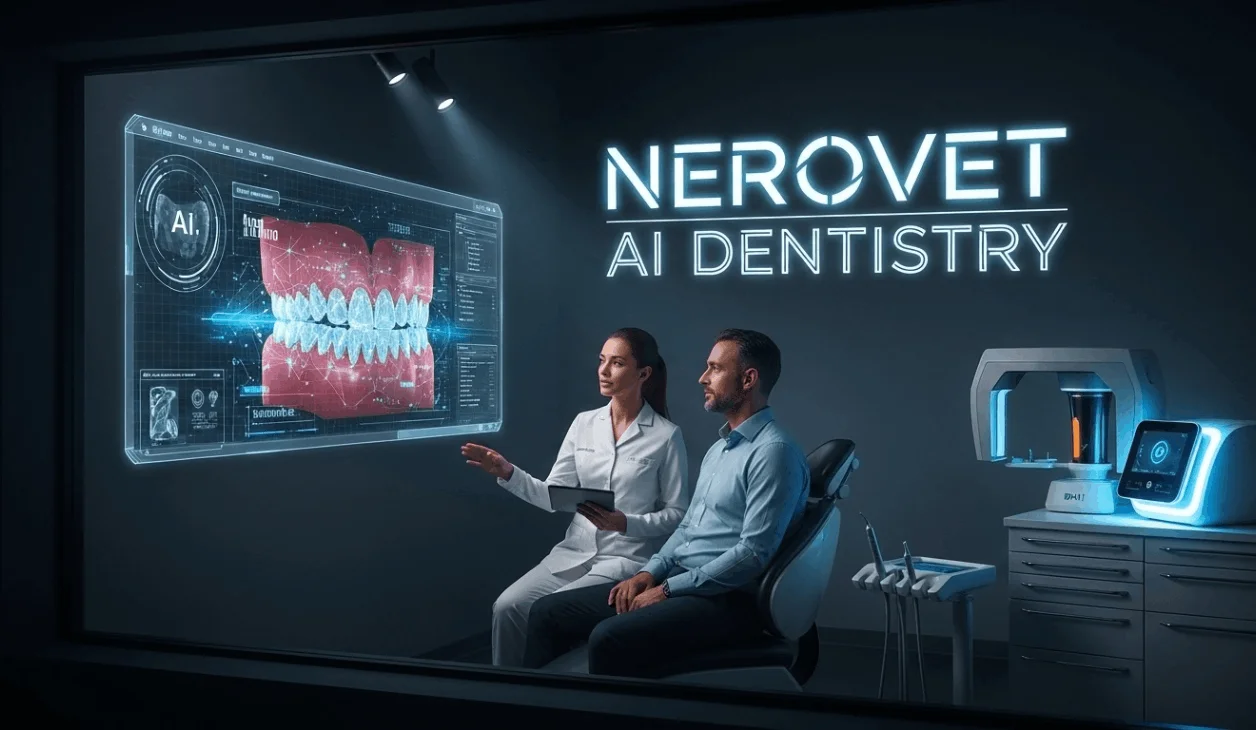
Nerovet AI Dentistry: Transforming the Future of Dental Care
Modern technology is rapidly transforming healthcare, and dentistry is no exception. One of the most exciting innovations emerging in this field is nerovet ai dentistry, a concept that combines artificial intelligence with advanced dental practices to improve diagnosis, treatment planning, and patient care. As digital tools continue to evolve, dental professionals are increasingly adopting AI-powered systems to enhance efficiency and accuracy.
In recent years, the integration of AI in dental clinics has opened new possibilities. From analyzing dental images to predicting oral health risks, nerovet ai dentistry represents a forward-thinking approach that aims to make dental care more precise, accessible, and patient-friendly.
Understanding the Concept of Nerovet AI Dentistry
To begin with, it is important to understand what nerovet ai dentistry actually means. In simple terms, it refers to the application of artificial intelligence technologies within dental practice to assist dentists in clinical decision-making and patient management.
These AI-driven systems analyze vast amounts of dental data, including X-rays, 3D scans, and patient records. As a result, they help dental professionals detect potential issues such as cavities, gum disease, or bone loss at earlier stages than traditional methods.
Furthermore, AI tools can identify patterns in dental health data that might otherwise go unnoticed. Consequently, dentists can create more personalized treatment plans based on detailed insights provided by intelligent software.
How AI Technology Enhances Dental Diagnostics
Accurate diagnosis is the foundation of effective dental treatment. Traditionally, dentists rely on visual examinations and radiographs to identify oral health problems. However, even experienced professionals may sometimes overlook subtle signs of disease.
This is where nerovet ai dentistry plays a crucial role. AI algorithms are trained on thousands of dental images, allowing them to detect abnormalities with remarkable precision. For example, an AI system can highlight areas of potential tooth decay or bone deterioration in seconds.
Additionally, these systems can assist dentists in comparing current scans with previous records. This comparison helps track changes in oral health over time, enabling early intervention when necessary. As a result, patients receive faster and more accurate diagnoses.
Improving Treatment Planning with AI
Another major advantage of nerovet ai dentistry lies in its ability to enhance treatment planning. Dental procedures often require careful evaluation of multiple factors, including tooth structure, jaw alignment, and overall oral health.
AI-based tools can analyze these factors quickly and suggest potential treatment options. For instance, in orthodontics, AI can simulate tooth movement and predict how braces or aligners will affect a patient’s smile.
Moreover, dentists can use AI-generated models to explain procedures more clearly to patients. When patients see visual representations of their treatment plans, they often feel more confident and informed about their decisions.
Enhancing Patient Experience in Dental Clinics
Beyond diagnosis and treatment planning, nerovet ai dentistry also contributes to improving the overall patient experience. Many dental patients feel anxious before visiting the clinic. However, technology can help create a more transparent and comfortable environment.
For example, AI-powered systems can automate appointment scheduling, reminders, and patient record management. This reduces waiting times and ensures smoother communication between clinics and patients.
In addition, digital tools allow dentists to provide real-time explanations during consultations. When patients understand their oral health conditions better, they are more likely to follow treatment recommendations and maintain good dental hygiene.
The Role of Data and Machine Learning
At the heart of nerovet ai dentistry lies machine learning, a branch of artificial intelligence that enables computers to learn from data. By analyzing large datasets, machine learning models continuously improve their accuracy over time.
Dental clinics generate significant amounts of information, including radiographs, intraoral scans, and patient histories. AI systems can process this data far more efficiently than manual methods.
Consequently, dentists gain valuable insights that support better clinical decisions. For instance, AI may identify risk factors for gum disease or tooth decay based on a patient’s previous dental patterns.
Furthermore, predictive analytics can help dentists anticipate potential issues before they become severe. This proactive approach encourages preventive care rather than reactive treatment.
Challenges and Considerations
Although nerovet ai dentistry offers numerous benefits, it is important to recognize certain challenges associated with its adoption. One of the main concerns involves data privacy and security. Since AI systems rely heavily on patient data, dental clinics must ensure strict protection of sensitive information.
Another consideration is the learning curve for dental professionals. Implementing AI technologies requires proper training and adaptation. However, with the right guidance and resources, dentists can quickly integrate these tools into their practice.
Cost is also a factor for some clinics, particularly smaller practices. Advanced AI software and equipment may require initial investment. Nevertheless, many experts believe that the long-term benefits outweigh the costs due to increased efficiency and improved patient outcomes.
The Future of AI in Dentistry
Looking ahead, the future of nerovet ai dentistry appears highly promising. As artificial intelligence continues to evolve, its applications in dental care will likely expand even further.
Researchers are already exploring AI systems capable of predicting oral diseases before symptoms appear. Similarly, robotic-assisted dental procedures and fully automated diagnostic platforms may become more common in the coming years.
Furthermore, integration with other digital technologies such as 3D printing and tele-dentistry could revolutionize how dental services are delivered. Patients may eventually receive faster treatments, remote consultations, and highly customized dental solutions.
Conclusion
In conclusion, nerovet ai dentistry represents a significant step forward in the evolution of modern dental care. By combining artificial intelligence with clinical expertise, dental professionals can improve diagnostic accuracy, streamline treatment planning, and enhance patient experiences.
Although challenges such as data security and implementation costs remain, the potential advantages of AI in dentistry are undeniable. As technology continues to advance, nerovet ai dentistry is likely to become an essential part of future dental practices.
Ultimately, the integration of intelligent systems into dentistry not only supports dentists but also empowers patients to take better control of their oral health. Through innovation and collaboration, AI-driven dentistry has the potential to redefine how dental care is delivered in the years ahead.