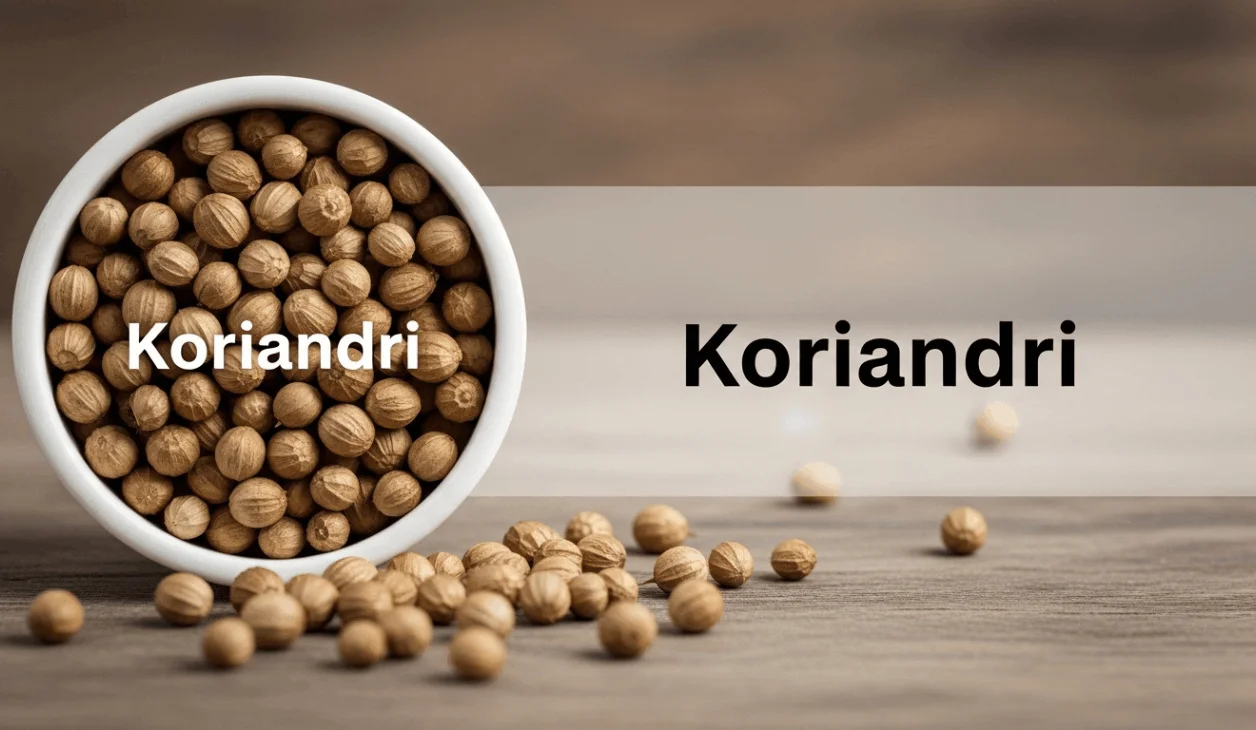
Koriandri: Leaves, Seeds, and Global Cooking Uses
Koriandri is another widely used name for the herb and spice known in English as coriander. Scientifically called Coriandrum sativum, this versatile plant holds a special place in global cuisines due to its unique flavor, aroma, and culinary flexibility. Both the fresh leaves and dried seeds of koriandri are used in cooking, making it one of the most valuable herbs in kitchens around the world.
What Is Koriandri?
Koriandri refers to the coriander plant, which belongs to the Apiaceae family. While the leaves are commonly used as a fresh herb, the seeds are dried and used as a spice. Interestingly, the leaves and seeds offer completely different flavor profiles. The leaves are fresh, citrusy, and slightly peppery, whereas the seeds are warm, nutty, and mildly sweet.
Because of this dual nature, koriandri is considered a unique ingredient that can enhance both simple and complex dishes. Moreover, its adaptability allows it to be used in raw, cooked, and ground forms.
Botanical Background of Coriandrum Sativum
Coriandrum sativum is an annual herb that grows best in mild climates. The plant features delicate green leaves, small white or pink flowers, and round seeds that develop once the plant matures. While the entire plant is useful, harvesting time determines whether it is used as an herb or spice.
Additionally, koriandri has been cultivated for thousands of years. Historical records suggest its use in ancient Egyptian, Greek, and Roman cuisines. Therefore, its long-standing presence highlights its importance in culinary traditions across civilizations.
Culinary Uses of Koriandri Leaves
Fresh koriandri leaves are commonly used as a garnish or flavor enhancer. They are especially popular in South Asian, Middle Eastern, Latin American, and Southeast Asian cuisines. For example, the leaves are added to curries, chutneys, soups, salads, and rice dishes to provide freshness and aroma.
Furthermore, koriandri leaves are usually added at the end of cooking. This method helps preserve their delicate flavor. As a result, dishes maintain a bright and refreshing taste rather than becoming overpowering.
Culinary Uses of Koriandri Seeds
Unlike the leaves, koriandri seeds are dried and often ground into powder. These seeds are a key component in spice blends, including curry powders and masalas. When lightly toasted, the seeds release a warm, citrusy aroma that enhances savory dishes.
In addition, koriandri seeds are widely used in pickling, baking, and seasoning meats. Their mild sweetness balances strong flavors, making them an essential spice in many traditional recipes.
Nutritional Value and Health Importance
Koriandri is not only flavorful but also nutritionally valuable. The leaves contain vitamins A, C, and K, while the seeds provide dietary fiber and essential minerals. Because of this, coriander has been traditionally valued beyond cooking.
Moreover, many cultures have incorporated koriandri into everyday meals due to its perceived digestive benefits. Although culinary use remains its primary role, its nutritional profile adds to its global popularity.
Koriandri in Global Cuisines
Across the world, koriandri plays different roles depending on regional preferences. In Indian cooking, both the leaves and seeds are used extensively. Meanwhile, Middle Eastern dishes often rely on coriander seeds for spice mixes. In contrast, Latin American cuisine heavily favors fresh leaves in salsas and sauces.
Therefore, koriandri acts as a unifying ingredient that connects diverse culinary traditions. Its ability to adapt to different flavor profiles makes it truly global.
Storage and Usage Tips
To maintain freshness, Coriander herb leaves should be stored in the refrigerator and used within a few days. Wrapping them in a damp paper towel can help extend their life. On the other hand, coriander seeds should be stored in an airtight container away from heat and light.
Additionally, grinding the seeds just before use ensures maximum flavor. This simple step can significantly improve the taste of dishes.
Conclusion
In conclusion, koriandri is simply another name for coriander, scientifically known as Coriandrum sativum. Its leaves and seeds offer distinct flavors that enhance cuisines worldwide. From ancient traditions to modern kitchens, this herb and spice continue to be an essential culinary ingredient.
Whether used fresh or dried, koriandri adds depth, aroma, and balance to countless dishes. Ultimately, its versatility, cultural importance, and long history make it a timeless component of global cooking.