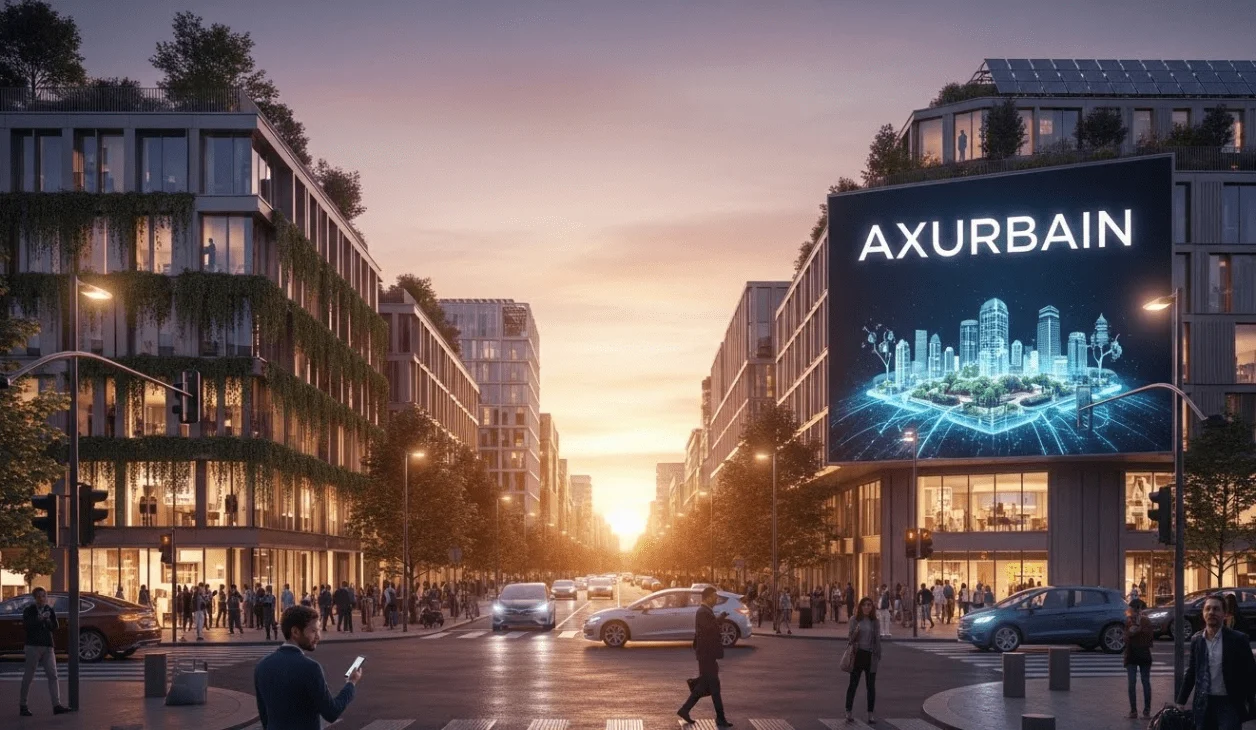
Axurbain: Redefining the Future of Urban Living
In recent years, cities have been evolving faster than ever before. As populations grow and lifestyles change, new ideas are emerging to address how people live, move, and connect within urban environments. One concept gaining attention in this space is axurbain. Although still relatively unfamiliar to many, it represents a forward-thinking approach to modern city life, blending innovation, sustainability, and human-centered design.
In this article, we will explore what axurbain means, why it matters, and how it could influence the future of urban development.
Understanding the Concept of Axurbain
At its core, axurbain can be described as a holistic urban philosophy. Rather than focusing on isolated elements such as housing or transportation alone, it emphasizes the relationship between infrastructure, community, and environment. In other words, it looks at cities as living systems that must adapt to social, economic, and ecological needs simultaneously.
Unlike traditional urban planning models, this concept encourages flexibility. As a result, neighborhoods are designed to evolve over time, responding to changing technologies and lifestyles instead of becoming outdated.
Why Axurbain Is Gaining Attention
There are several reasons why this idea is becoming increasingly relevant. First and foremost, urban populations continue to rise. Consequently, cities face mounting pressure on resources, transportation networks, and public spaces. Older planning methods often struggle to keep up with these demands.
Moreover, people today expect more from their surroundings. They want walkable neighborhoods, access to green areas, and spaces that support both work and leisure. Axurbain addresses these expectations by promoting balanced development that prioritizes quality of life.
Additionally, climate concerns have pushed city planners to rethink how urban areas are built and maintained. Sustainable materials, energy efficiency, and reduced emissions are no longer optional. Therefore, this approach aligns well with global environmental goals.
Key Principles Behind Axurbain
To better understand its impact, it helps to look at the core principles that define axurbain-oriented development.
Human-Centered Design
Above all, people are placed at the center of planning decisions. Streets, buildings, and public areas are designed to encourage interaction, accessibility, and comfort. For instance, mixed-use spaces allow residents to live, work, and socialize without long commutes.
Sustainable Infrastructure
Equally important is sustainability. Renewable energy systems, efficient water management, and green architecture play a major role. As a result, cities can reduce their environmental footprint while also lowering long-term operating costs.
Smart Integration of Technology
Technology is not used for its own sake but rather as a tool to improve daily life. Smart mobility systems, data-driven traffic management, and digital public services help cities function more smoothly. Consequently, residents benefit from reduced congestion and improved access to services.
Community and Connectivity
Finally, strong communities are essential. Axurbain encourages designs that foster social connection, whether through shared public spaces, cultural hubs, or pedestrian-friendly streets. This focus helps combat isolation, which is increasingly common in large cities.
Axurbain and the Future of Urban Development
Looking ahead, the influence of axurbain is likely to grow. As cities expand, planners and policymakers are searching for models that are both resilient and adaptable. This approach offers a framework that can be applied across different regions, regardless of size or cultural context.
Furthermore, it supports economic vitality. By creating attractive, functional spaces, cities can draw in businesses, entrepreneurs, and skilled workers. Over time, this contributes to local growth and innovation.
At the same time, residents benefit from healthier environments. Reduced pollution, improved walkability, and access to nature all contribute to physical and mental well-being. Therefore, the long-term advantages extend well beyond infrastructure alone.
Challenges and Considerations
Despite its potential, implementing axurbain-style development is not without challenges. For example, transforming existing urban areas can be costly and complex. Older infrastructure may require significant upgrades, and coordination between public and private sectors is essential.
In addition, community engagement is critical. Without input from residents, even the most innovative designs may fail to meet real needs. Therefore, transparent planning processes and inclusive decision-making are key to success.
Nevertheless, these challenges are not insurmountable. With careful planning and long-term vision, cities can gradually adopt these principles and adapt them to local conditions.
Final Thoughts
In conclusion, axurbain represents more than just a trend in urban planning. It reflects a broader shift in how we think about cities and the people who inhabit them. By combining sustainability, technology, and human-focused design, it offers a compelling vision for the future of urban living.
As cities continue to face rapid change, concepts like this provide valuable guidance. While the journey toward fully integrated urban systems may take time, the potential benefits make it a path worth exploring. Ultimately, axurbain challenges us to imagine cities that are not only efficient, but also vibrant, inclusive, and truly livable.