Aspertaan: Uses in Food, Beverages, and Diet Products
Aspertaan is a variant spelling of aspartame, a widely used artificial non-saccharide sweetener. This spelling variation is commonly seen in Dutch and Afrikaans, where it is often written as aspartaam. Despite the difference in spelling, the substance remains the same and plays a significant role in modern food and beverage production.
Over the years, aspertaan has become a topic of global discussion due to its widespread use, low-calorie properties, and ongoing debates about health effects. To fully understand its importance, it is essential to explore what it is, how it is used, and why it continues to attract attention.
What Is Aspertaan?
Aspertaan refers to a low-calorie artificial sweetener that is approximately 200 times sweeter than regular sugar. Because of this high sweetness intensity, only a very small amount is needed to achieve the desired taste. As a result, it significantly reduces calorie content when used in place of sugar.
Chemically, it is composed of two amino acids, which allows it to break down in the body into naturally occurring components. This characteristic has contributed to its approval for use in many countries worldwide.
Why Aspertaan Is Widely Used
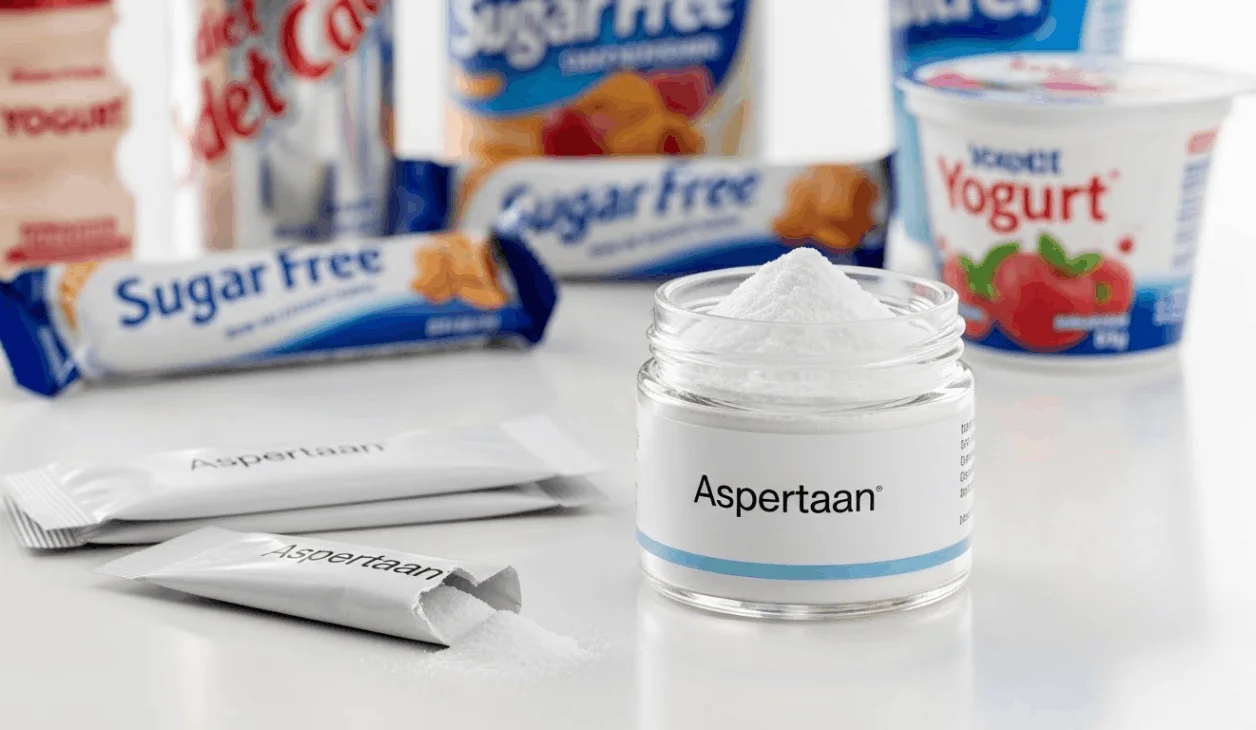
One of the main reasons aspertaan is so popular is its ability to provide sweetness without adding significant calories. Consequently, it is commonly found in diet beverages, sugar-free chewing gum, low-calorie desserts, and various processed foods.
In addition, manufacturers favor this sweetener because it closely mimics the taste of sugar. Unlike some alternatives, it does not leave a strong aftertaste when used correctly. Therefore, it is often chosen for products aimed at people managing calorie intake or reducing sugar consumption.
Role in Sugar Reduction
As concerns about excessive sugar consumption continue to grow, aspertaan has become an important tool in dietary management. High sugar intake is frequently linked to weight gain and other health challenges. For this reason, many individuals turn to low-calorie sweeteners as substitutes.
By replacing sugar with aspertaan, food and beverage producers can offer lower-calorie options without compromising sweetness. This approach helps consumers enjoy familiar flavors while making more mindful dietary choices.
Health and Safety Considerations
Few food ingredients have been studied as extensively as aspertaan. Regulatory authorities in many regions have evaluated its safety over several decades. Based on available scientific evidence, it has been approved for consumption within established daily intake limits.
However, despite regulatory approval, public debate still exists. Some people express concerns about potential side effects, while others consume it regularly without issue. As with many dietary components, individual tolerance and moderation play an important role.
It is also important to note that individuals with a rare genetic condition known as phenylketonuria (PKU) must avoid products containing this sweetener. For this reason, clear labeling is required on foods that include it.
Common Products Containing Aspertaan
Today, aspertaan can be found in a wide variety of everyday products. These include diet sodas, flavored water, tabletop sweeteners, yogurt, and sugar-free candies. Additionally, it is sometimes used in pharmaceutical products such as chewable vitamins and cough syrups to improve taste.
Because it loses sweetness when exposed to high heat for long periods, it is less commonly used in baked goods. Instead, it is best suited for cold or lightly processed foods and beverages.
Taste Profile and Consumer Experience
Taste is a key factor in the continued popularity of aspertaan. When compared to sugar, it provides a clean and pleasant sweetness, especially in beverages. This similarity allows consumers to transition more easily from sugary products to reduced-calorie alternatives.
That said, taste perception varies from person to person. While many people find it enjoyable, others may notice subtle differences. Nonetheless, its widespread acceptance suggests that it meets consumer expectations in most applications.
Global Usage and Acceptance
Aspertaan is approved for use in numerous countries across the world, including regions in Europe, North America, and Asia. Its acceptance reflects extensive scientific review and long-term consumption data.
Moreover, spelling variations such as aspartaam or aspertaan highlight how the same ingredient adapts linguistically across cultures. Regardless of spelling, its functional role remains unchanged.
Balancing Benefits and Awareness
Like any food ingredient, aspertaan is best consumed as part of a balanced diet. While it offers clear benefits in reducing sugar and calorie intake, it should not be seen as a substitute for overall nutritional awareness.
Understanding ingredient labels and maintaining variety in food choices helps ensure a healthier approach to eating. When used responsibly, low-calorie sweeteners can support dietary goals without unnecessary compromise.
Final Thoughts
In summary, aspertaan is simply a variant spelling of aspartame, a widely used artificial sweetener valued for its intense sweetness and low-calorie profile. Its presence in modern food and beverage products reflects ongoing efforts to reduce sugar consumption while preserving taste.
Although debates about artificial sweeteners continue, decades of research and regulatory review support its approved use within recommended limits. By staying informed and mindful, consumers can make choices that align with their preferences and health goals.