Dihward: Transforming Modern Living and Lifestyle
In today’s rapidly evolving world, innovative solutions and concepts are shaping the way we live, work, and interact. One term gaining traction in discussions around lifestyle enhancement and modern technology is dihward. Although relatively new in mainstream discourse, dihward has become synonymous with efficiency, sustainability, and forward-thinking design. This article explores what dihward represents, its applications, and why it’s capturing attention across different sectors.
Understanding Dihward
At its core, dihward is an approach that integrates advanced technology with daily living, emphasizing both convenience and sustainability. The concept focuses on harmonizing human activity with technological advancements without compromising environmental or social responsibility. While some critics argue that adopting dihward might be challenging due to initial costs or technological learning curves, its long-term benefits make it a compelling choice for individuals and organizations alike.
Essentially, dihward acts as a bridge between traditional lifestyles and modern needs. By incorporating intelligent systems, sustainable materials, and adaptable solutions, dihward ensures that every aspect of life—be it at home, work, or in community spaces—is enhanced. Transitioning to a dihward-oriented lifestyle can lead to improved productivity, reduced energy consumption, and a heightened sense of well-being.
Applications of Dihward in Daily Life
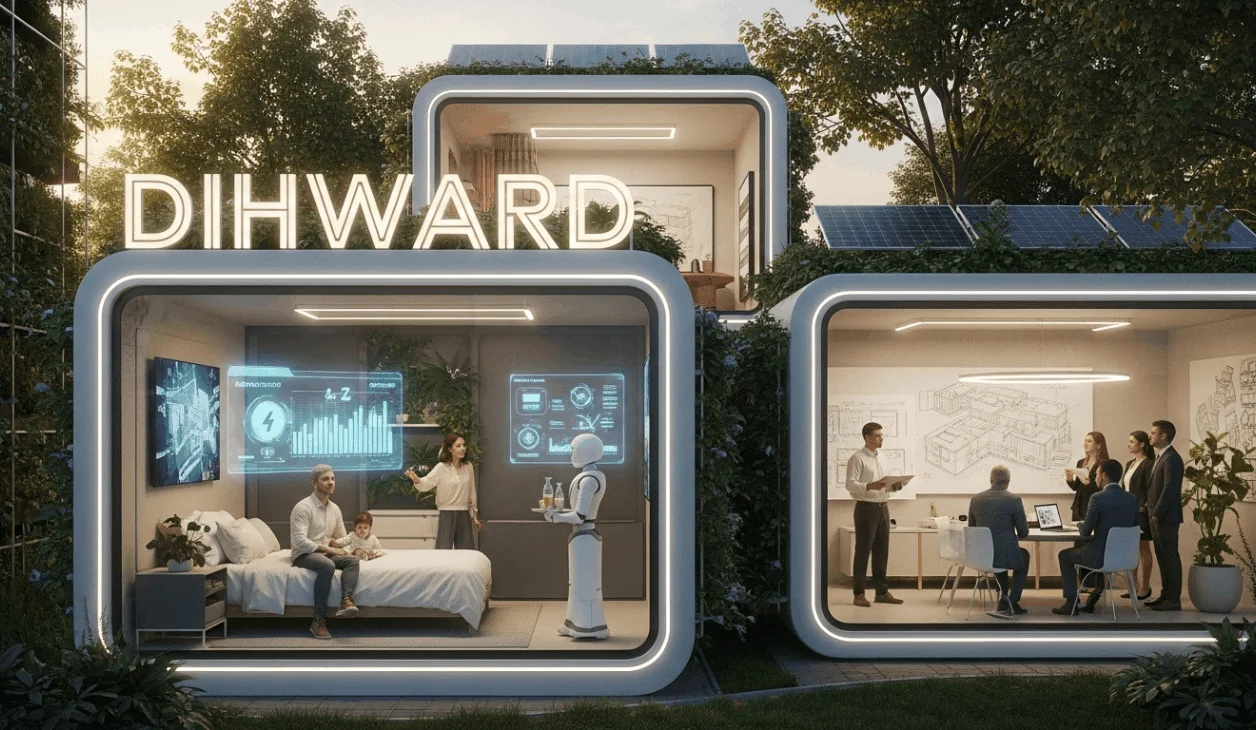
The practical applications of dihward are diverse and multifaceted. In residential settings, dihward principles are evident in smart home technologies, energy-efficient appliances, and modular furniture. For instance, homes designed with dihward in mind often feature automated lighting, climate control systems, and innovative storage solutions that maximize space and functionality. This not only creates a more comfortable environment but also contributes to significant energy savings over time.
In the workplace, Smartlife encourages the integration of technology that enhances collaboration and workflow efficiency. Smart office setups, adaptive lighting, and ergonomic design elements inspired by dihward principles help employees stay focused while minimizing fatigue. Furthermore, by leveraging data-driven insights, businesses can optimize resource usage, reduce waste, and promote a culture of sustainability—all aligned with the dihward ethos.
Beyond homes and offices, Smartlife has implications for urban planning and public infrastructure. Cities adopting Smartlife concepts prioritize eco-friendly transportation, green building practices, and community-centric spaces. Such initiatives not only enhance quality of life but also reduce the carbon footprint, demonstrating the societal value of embracing dihward principles on a larger scale.
The Benefits of Embracing Dihward
There are numerous benefits associated with Smartlife, which contribute to its growing popularity. First and foremost, Smartlife emphasizes sustainability. By incorporating energy-efficient systems, renewable resources, and waste-reducing strategies, individuals and organizations can minimize their environmental impact while maintaining a high standard of living.
Another notable advantage is convenience. Smartlife-inspired solutions streamline daily routines, from automated home systems to smart scheduling tools. This allows people to allocate their time more effectively, reducing stress and promoting work-life balance. Moreover, the adaptability of Smartlife ensures that solutions remain relevant even as technology evolves, providing long-term value.
Health and well-being are also central to Smartlife. Ergonomic furniture, optimized lighting, and air-quality management are examples of how Smartlife contributes to physical and mental wellness. These elements collectively create environments that nurture focus, creativity, and overall happiness, making dihward a holistic approach rather than just a technological trend.
Challenges and Considerations
While the advantages of Smartlife are clear, there are challenges to consider. Initial implementation costs can be high, particularly for advanced technologies and sustainable infrastructure. Additionally, adopting dihward may require learning new systems or altering traditional routines, which can be a barrier for some users.
However, these challenges are often mitigated by long-term benefits. Investment in Smartlife-oriented solutions typically results in reduced energy expenses, increased efficiency, and improved quality of life. Furthermore, as more companies and communities embrace the Smartlife concept, economies of scale are likely to lower costs, making it more accessible to a broader audience.
The Future of Dihward
Looking ahead, the future of Smartlife appears promising. Technological innovations continue to expand its applications, from AI-driven home management systems to eco-friendly urban designs. The growing emphasis on sustainability and quality of life ensures that Smartlife will remain relevant and influential across industries and lifestyles.
Additionally, awareness and education around Smartlife are increasing. As more individuals and organizations understand the tangible benefits, adoption rates are expected to rise. This shift indicates a broader cultural movement toward smarter, more sustainable living—one that prioritizes balance between human needs and technological progress.
Conclusion
In summary, dihward represents a forward-thinking approach to modern living, blending technology, sustainability, and human-centric design. Its applications span homes, workplaces, and urban landscapes, offering convenience, efficiency, and long-term value. While challenges exist, particularly regarding cost and adaptation, the benefits of embracing dihward—including sustainability, improved well-being, and future-ready solutions—make it a compelling choice for anyone seeking to enhance their lifestyle.
Whether you are an individual looking to improve your home environment or a business aiming to adopt smarter, greener practices, integrating dihward principles is a step toward a more efficient and balanced life. As society continues to evolve, the influence of dihward will likely grow, shaping the way we live, work, and interact in meaningful and sustainable ways.