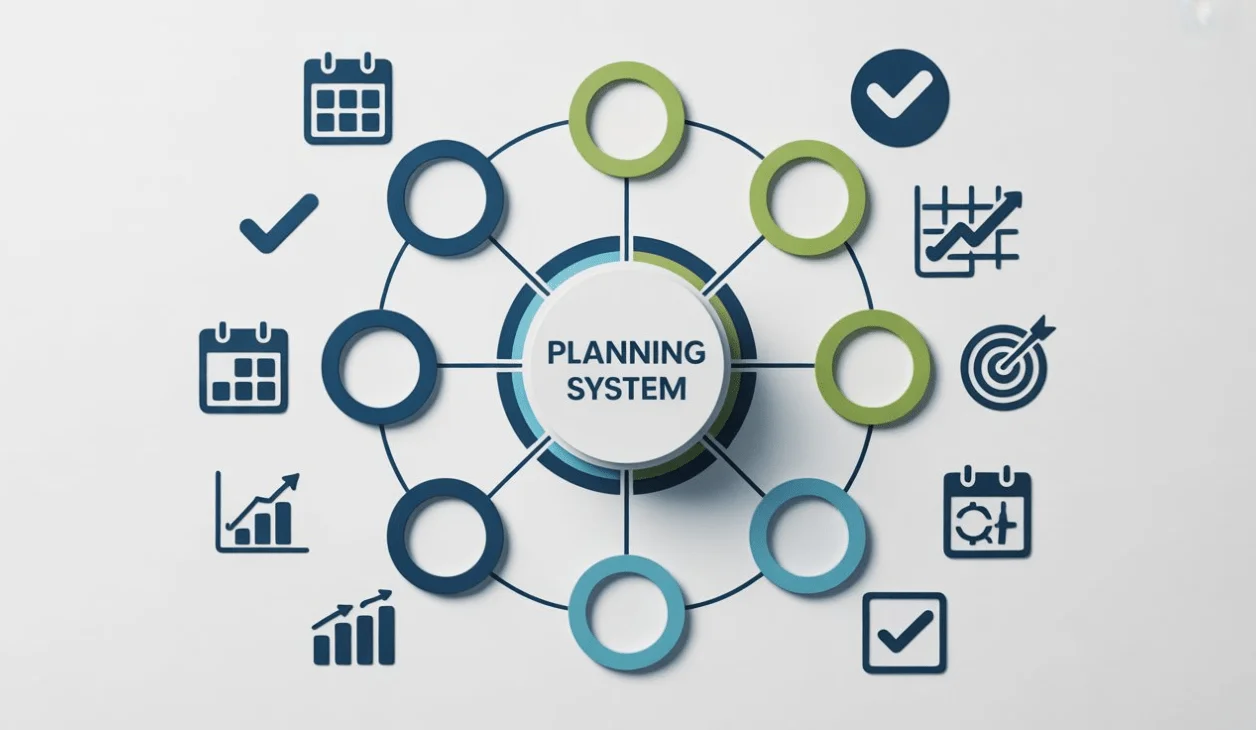
What Is Plangud A Modern Approach to Planning and Productivity
In today’s fast-paced world, where tasks, projects, and goals compete constantly for attention, plangud has emerged as an innovative approach to planning. Unlike a simple to-do list or calendar, plangud provides a structured and flexible framework that helps individuals and teams align daily routines, short-term tasks, and long-term objectives effectively.
The primary purpose of plangud is not just to track tasks but to turn intentions into meaningful action. It emphasizes understanding what you want to achieve and organizing work so that each task contributes to broader goals. As a result, plangud is more than just a productivity tool it is a system that promotes balanced growth, efficiency, and sustainable results.
Why Plangud Is Important Today
Traditional planners and apps often focus solely on deadlines or individual tasks. While helpful in the short term, they rarely connect everyday work with long-term goals, habits, or values. Consequently, many people use multiple tools simultaneously calendars, reminders, habit trackers which can scatter attention and reduce productivity.
Plangud solves this problem by integrating tasks, habits, and goals into a single, coherent system. It also emphasizes flexibility. Life rarely follows a strict plan; priorities shift, and unexpected events occur. By encouraging regular reviews and adjustments, plangud ensures that plans remain realistic and relevant over time.
Another significant advantage of plangud is its ability to support collaboration and shared responsibility. For teams and group projects, it enhances transparency, aligns objectives, and helps everyone stay on track, making it equally valuable for individuals and small organizations.
Core Components of Plangud
Understanding plangud requires examining its key components:
- Strategic Vision and Purpose: Plangud starts with defining long-term objectives and the “why” behind them. This strategic vision guides all tasks and ensures each action is purposeful.
- Multi-Layered Planning: Big-picture goals are connected to medium-term projects and small daily tasks. This structure allows daily efforts to contribute meaningfully to larger objectives.
- Integration of Habits and Tasks: Plangud links daily tasks to habits, promoting consistency and gradual improvement without overwhelming effort.
- Flexibility and Feedback Loops: By reviewing progress periodically, plangud allows plans to evolve. This ensures adaptability in the face of changing circumstances.
- Collaboration and Accountability: Shared workspaces and coordinated workflows make teamwork transparent and efficient. Tasks, roles, and progress are clear to all participants.
Who Can Benefit from Plangud
Plangud is a versatile system that suits a wide range of users:
- Busy individuals: Those juggling work, studies, and personal projects benefit from a system that integrates all aspects of life.
- Professionals and freelancers: Plangud helps manage multiple projects, deadlines, and client needs while preventing burnout.
- Teams and small businesses: Shared planning ensures everyone understands responsibilities and timelines, reducing confusion.
- People focused on personal growth: planning system helps establish long-term habits, track progress, and stay consistent in skill development or self-improvement efforts.
How to Use Plangud Effectively
Here’s a simple approach to implementing planning system:
- Define your purpose and long-term goals. Understanding your priorities provides a clear direction.
- Break down goals into projects and tasks. Medium-term milestones and daily actions ensure measurable progress.
- Create daily and weekly plans. Prioritize tasks, include recurring habits, and allocate time realistically.
- Track everything in a single system. Having tasks, habits, and projects in one place avoids confusion.
- Review regularly and adjust. Weekly or monthly check-ins help refine strategies and timelines.
- Collaborate when needed. Share plans, assign responsibilities, and monitor progress collectively.
Common Pitfalls and How to Avoid Them
Even with an effective framework like plangud, mistakes can reduce its impact:
- Overcomplicating the plan: Trying to plan every detail can be overwhelming. Start simple and scale gradually.
- Skipping regular reviews: Without reflection, plans can become outdated or irrelevant.
- Using it only as a task list: The power of plangud lies in its integration of habits, tasks, and vision. Using only one element limits effectiveness.
- Being too rigid: Life is unpredictable. Maintaining flexibility ensures continued relevance and reduces frustration.
Conclusion
In conclusion, plangud provides a balanced, integrated, and purpose-driven approach to planning. By connecting daily tasks to larger objectives, promoting consistency, and enabling flexible adaptation, it allows individuals and teams to achieve sustainable growth and productivity.
Whether your goal is to enhance personal efficiency, build new habits, manage complex projects, or coordinate team efforts, plangud offers a comprehensive framework. More than just a tool, it represents a mindset one that turns intention into action and helps maintain balance amidst life’s demands.