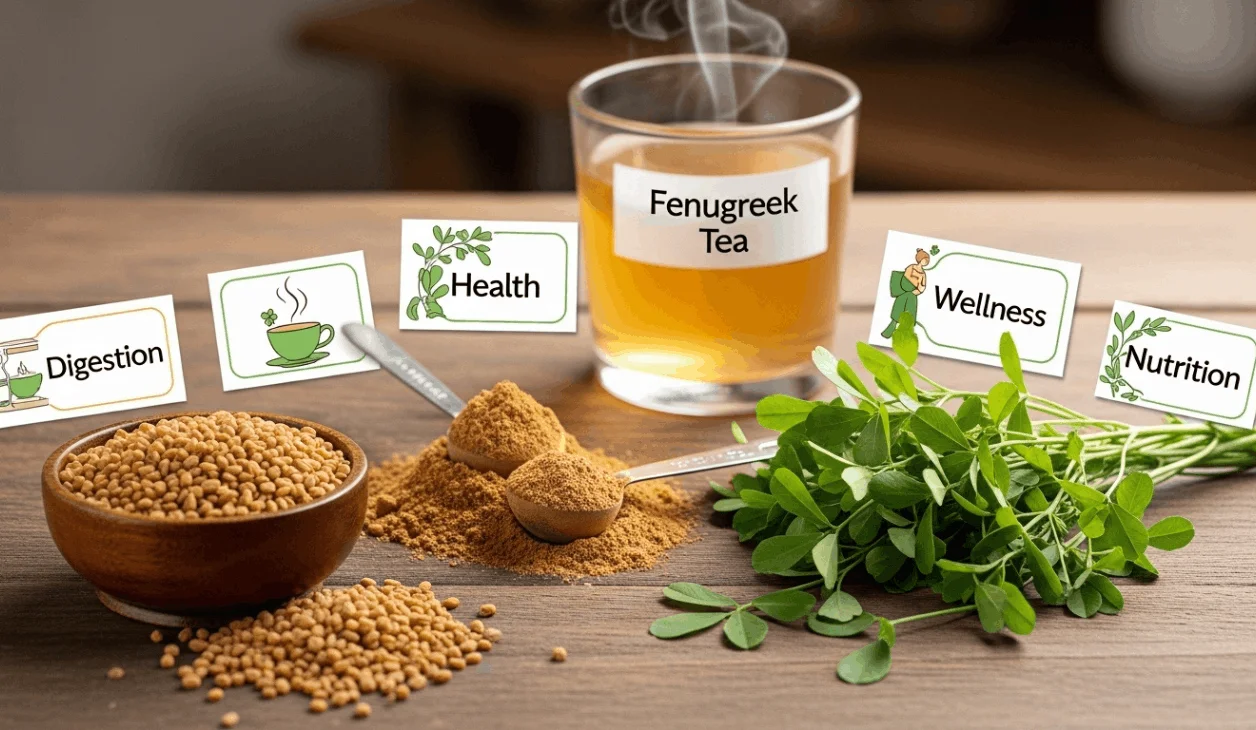
Foenegriek: Natural Herb for Digestion, Health, and Wellness
Introduction
Foenegriek is a traditional herb and spice widely recognized for its strong aroma and impressive health properties. For centuries, foenegriek has been used in both culinary dishes and natural remedies across different cultures. Today, interest in foenegriek continues to grow due to its potential role in supporting digestion, metabolism, and overall wellness. Moreover, many people are rediscovering foenegriek as a natural ingredient that can easily be incorporated into daily diets. In addition, its seeds and leaves offer a unique combination of nutrients that make it a valuable addition to healthy eating patterns. As a result, foenegriek is now commonly found in kitchens and herbal preparations worldwide.
What is Foenegriek?
Foenegriek is derived from the plant Trigonella foenum-graecum, which belongs to the legume family. This plant produces small golden-brown seeds and green leaves that are both edible and highly nutritious. Traditionally, foenegriek has been used in Ayurvedic, Greek, and Middle Eastern practices for centuries.
In fact, foenegriek seeds are known for their slightly bitter taste and strong aroma, which becomes more pleasant when roasted or cooked. Meanwhile, the leaves are often used as a green vegetable or dried herb in various dishes. Additionally, foenegriek is valued not only for flavor but also for its wide range of bioactive compounds that contribute to overall health support.
Nutritional Profile of Foenegriek
Foenegriek contains a rich combination of nutrients that make it highly beneficial for the body. It is a good source of dietary fiber, plant-based protein, iron, magnesium, and manganese. Furthermore, it includes important compounds such as saponins, flavonoids, and alkaloids that are linked to various health-promoting effects.
Because of its fiber content, Methi supports healthy digestion and helps maintain stable blood sugar levels. At the same time, its protein content makes it useful for muscle repair and energy production. In addition, the presence of antioxidants helps the body fight oxidative stress, which can contribute to long-term wellness.
Health Benefits of Foenegriek
One of the most well-known advantages of foenegriek is its ability to support digestive health. It may help reduce issues such as bloating, constipation, and indigestion. Moreover, many people use Methi to help regulate blood sugar levels, especially in natural wellness routines.
Another important benefit is its potential role in supporting hormonal balance. Some studies suggest that Methi may help with lactation support in nursing mothers. Additionally, it may contribute to improved appetite control and metabolism regulation.
Furthermore, Methi is often associated with heart health support. Its fiber content can help reduce cholesterol levels, while antioxidants protect blood vessels from damage. As a result, regular and moderate use of Methi may contribute to better cardiovascular health over time.
In addition to internal health benefits, Methi is also used in traditional skincare and hair care remedies. It is believed to help improve skin hydration and strengthen hair roots when used in natural treatments.
Culinary Uses of Foenegriek
In cooking, foenegriek plays an important role in adding depth and flavor to various dishes. The seeds are commonly used in spice blends, curries, and pickles. When roasted, they develop a slightly nutty aroma that enhances the taste of food.
Similarly, Methi leaves are widely used in South Asian cuisine, especially in breads, vegetables, and soups. They add a slightly bitter yet pleasant flavor that balances rich dishes. Moreover, Methi can be used in powdered form as a seasoning, making it easy to include in everyday meals.
Additionally, herbal teas made from Methi seeds are popular among those who prefer natural wellness drinks. These teas are often consumed for digestion support and general health maintenance.
How to Use Foenegriek Safely
While Methi offers many benefits, it should be used in moderation. Excessive intake may cause mild side effects such as digestive discomfort in some individuals. Therefore, it is important to start with small amounts and gradually increase usage if needed.
Pregnant women and individuals with certain medical conditions should consult a healthcare professional before using Methi regularly. Moreover, it is always best to use it as part of a balanced diet rather than relying on it as a sole remedy.
Conclusion
In summary, foenegriek is a powerful natural ingredient with a long history of culinary and medicinal use. From supporting digestion to providing essential nutrients, foenegriek offers a wide range of potential health benefits. Additionally, its versatility in cooking makes it easy to include in daily meals.
Overall, foenegriek remains a valuable herb that continues to gain popularity in modern nutrition and wellness practices. When used properly, foenegriek can be a simple yet effective addition to a healthy lifestyle.